The Shift Toward Privacy-Focused Data Protocols Reshaping Indie Puzzle App Monetization on Mid-Tier Smartphones
Written by Katja Powell · Oct 22, 2026
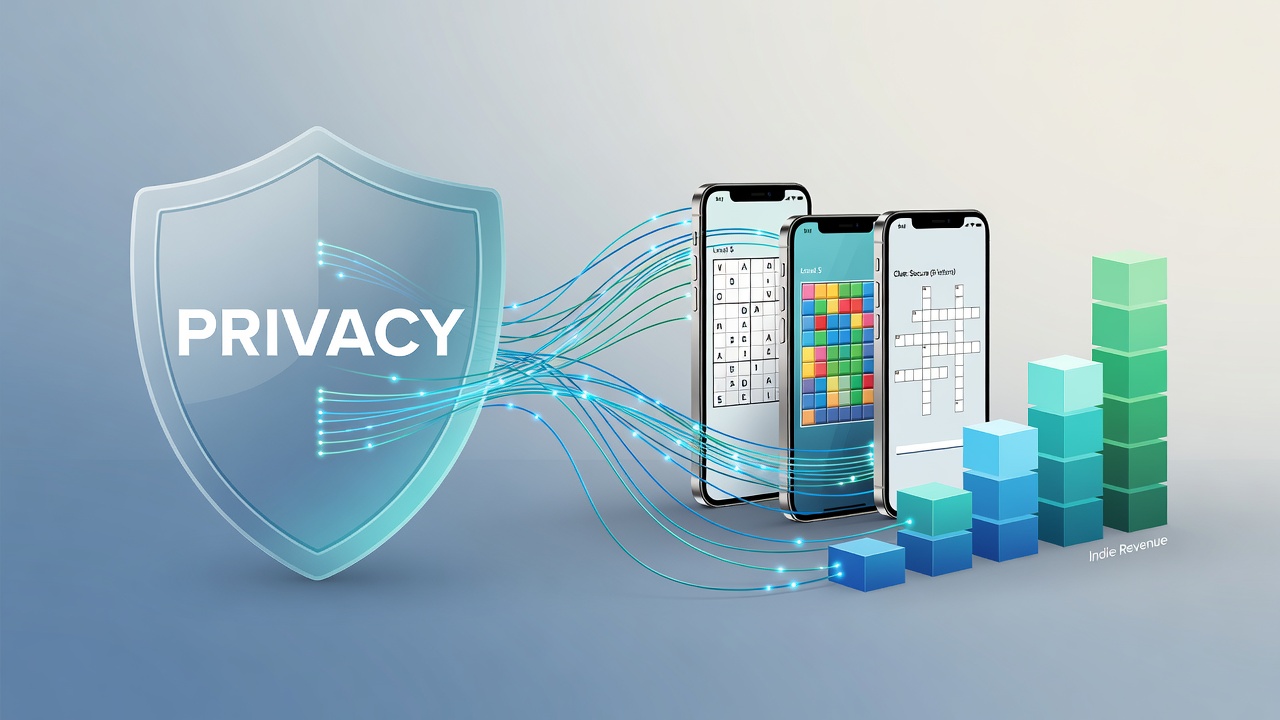
The Shift Toward Privacy-Focused Data Protocols Reshaping Indie Puzzle App Monetization on Mid-Tier Smartphones
Privacy-focused data protocols have altered how indie developers handle user information in puzzle applications running on mid-tier smartphones, and these changes directly influence revenue streams that once relied on detailed tracking for targeted advertising. Developers now navigate stricter consent requirements and on-device data processing limits that reduce the volume of personal identifiers available for ad networks.
Regulatory Framework Updates and Their Timing
Enhanced privacy standards took effect across multiple regions in October 2026, prompting app stores to enforce updated data handling rules for applications distributed to devices with mid-range processors. These rules limit background data collection while requiring explicit user approval for any cross-app sharing of behavioral signals. Indie puzzle titles, which often operate with smaller teams and limited legal resources, adjusted their backends to comply with the new consent layers that store preferences locally on the device rather than transmitting them to central servers.
According to reports from the European Commission, puzzle apps saw a measurable drop in available advertising identifiers after the October 2026 rollout, forcing studios to reconsider models built around frequency capping and lookalike audience creation.
Monetization Adjustments on Mid-Tier Hardware
Mid-tier smartphones typically feature 4 to 6 GB of RAM and processors that prioritize efficiency over raw power, which affects how apps can run local privacy computations without draining batteries or causing lag. Developers responded by shifting from server-side user profiling to lightweight on-device models that generate anonymized engagement summaries for in-app purchase recommendations. This transition reduced reliance on real-time bidding systems that previously matched puzzle players with high-value ad creatives based on past session patterns.
Many studios introduced tiered subscription options that unlock additional level packs or remove interstitial placements, and data from industry tracking services indicates these direct-payment features now account for a larger share of revenue compared with ad impressions alone. Puzzle mechanics lend themselves to such changes because players frequently return for short sessions where quick purchases feel less disruptive than extended video ads.
Technical Implementation Challenges
Implementing privacy protocols on mid-tier devices requires careful optimization because local differential privacy techniques and on-device consent storage consume processing cycles that could otherwise support smoother puzzle rendering. Developers who tested early versions of these systems reported needing to compress consent logs and limit the frequency of local audits to maintain frame rates above 60 per second on hardware released between 2023 and 2025.
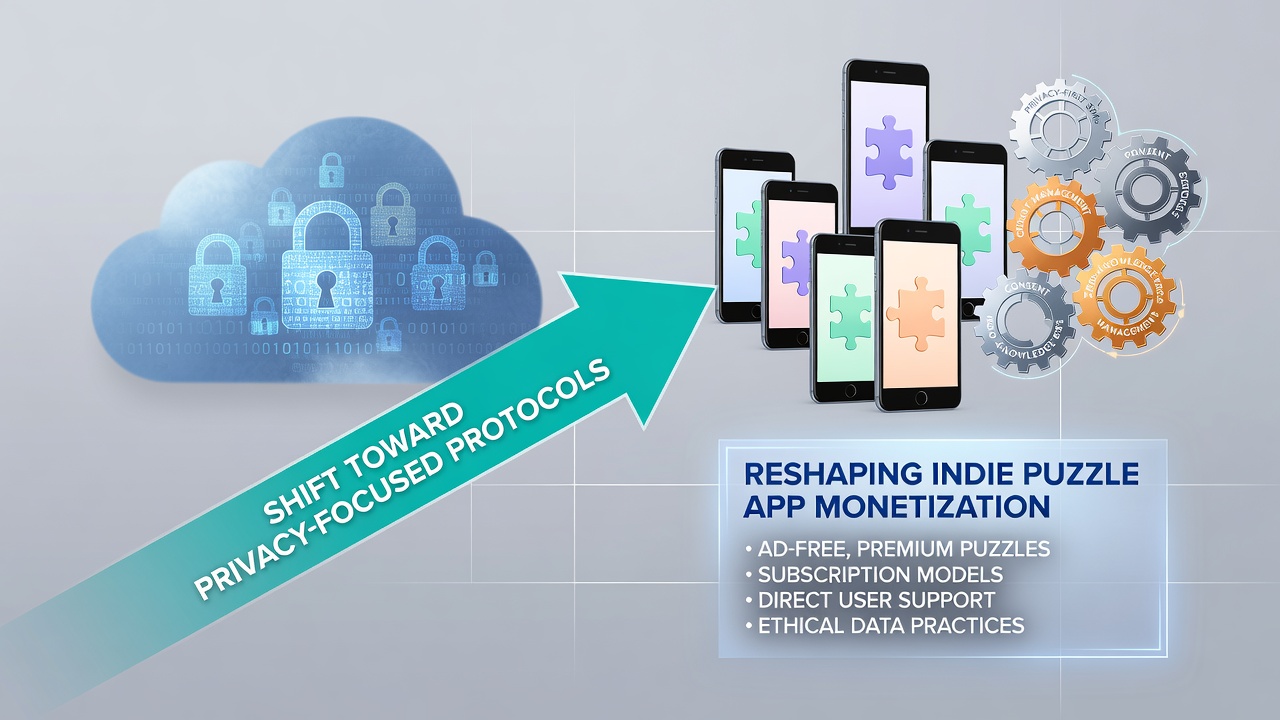
One studio based in Southeast Asia integrated simplified privacy dashboards directly into their puzzle interface, allowing users to toggle data usage settings without leaving the game flow. This approach satisfied requirements from the Australian Information Commissioner while preserving session continuity that keeps players engaged long enough to encounter purchase prompts.
Market Data and Revenue Distribution Patterns
Figures released by mobile analytics firms in late 2026 show indie puzzle applications experienced a 28 percent reduction in average revenue per daily active user from advertising after the new protocols limited third-party data access. At the same time, revenue from in-app purchases rose by 19 percent in the same category of apps, suggesting players accepted direct payments when personalization options narrowed. Observers note that mid-tier devices represent the majority of active Android units in emerging markets, so these shifts carry outsized weight for developers targeting those regions.
Case examples include a small team that replaced cross-promotion networks with contextual ad units triggered only by current puzzle difficulty level, a method that complies with privacy rules because it avoids persistent user profiles. Another group introduced weekly puzzle challenges that grant cosmetic rewards through a subscription tier, and internal metrics revealed higher retention among users who opted into the paid track compared with those seeing only free ad-supported content.
Future Outlook for Indie Studios
Studios continue to explore hybrid approaches that combine minimal on-device analytics with voluntary user surveys to refine puzzle difficulty curves without violating consent boundaries. These methods allow monetization through both occasional rewarded videos and expanded level bundles while remaining compatible with the hardware constraints of mid-tier smartphones. Research from academic groups studying digital markets indicates that such balanced strategies help smaller teams maintain viability even as larger platforms consolidate around first-party data ecosystems.
Conclusion
The movement toward privacy-focused data protocols has prompted indie puzzle app developers to diversify revenue beyond advertising on mid-tier smartphones, and ongoing adaptations continue to shape how these applications generate income while meeting regulatory expectations. Data patterns from October 2026 onward demonstrate measurable changes in the balance between subscriptions, in-app purchases, and contextual ads across this segment of the market.