Flagship Handset Cooling Technologies Shaping Long Strategy Game Sessions on Mobiles
Written by Katja Powell · Nov 19, 2026
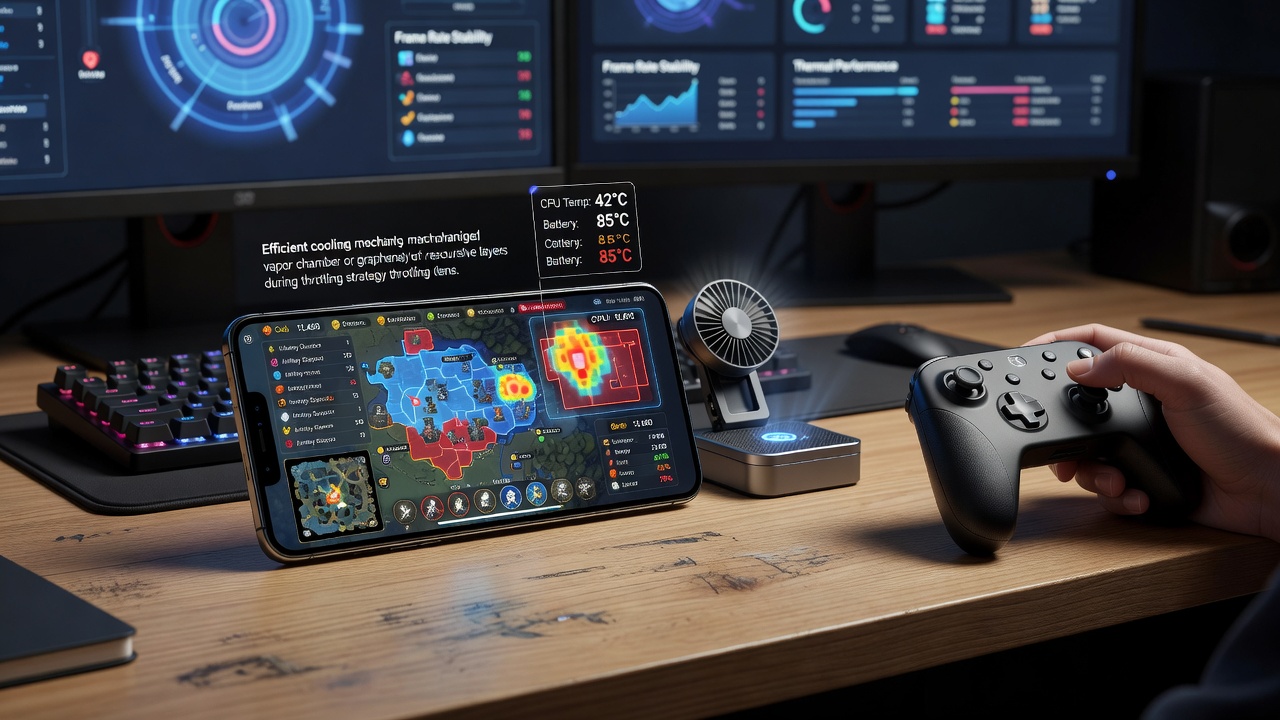
Flagship Handset Cooling Technologies Shaping Long Strategy Game Sessions on Mobiles
Flagship smartphones incorporate sophisticated thermal regulation systems that manage heat buildup during intensive tasks, and these mechanisms directly affect how long players can engage with resource-heavy strategy titles on portable platforms without performance drops. Data from industry reports indicates that central processing units and graphics processors in devices like recent Snapdragon and Dimensity chipsets generate substantial heat when handling complex pathfinding algorithms, real-time simulations, and large-scale unit management typical in such games.
Core Components of Smartphone Thermal Systems
Engineers design vapor chamber cooling, graphite sheets, and multi-layer heat pipes into premium handsets to dissipate energy from silicon dies, while software-based throttling algorithms monitor temperatures and adjust clock speeds accordingly. Researchers at various institutions have documented how these integrated solutions maintain operational stability, yet sustained loads in strategy games push components toward their limits because constant calculations for artificial intelligence opponents and map rendering require uninterrupted high performance.
Thermal sensors embedded throughout the chassis feed data to power management chips, and this feedback loop enables dynamic frequency scaling that prevents overheating while preserving battery life. Observers note that in November 2026 several manufacturers introduced refined liquid metal interfaces in their latest models, which improved heat transfer rates by measurable margins according to internal testing shared at trade events.
Effects on Extended Play in Demanding Titles
Strategy games on mobile platforms demand consistent frame delivery and responsive controls during lengthy campaigns or multiplayer matches, yet rising internal temperatures trigger performance caps that reduce frame rates and input latency. Studies conducted by academic teams reveal that once device surfaces reach certain thresholds, processors step down their output to protect hardware integrity, and this directly shortens viable play windows before players encounter stuttering visuals or delayed commands.
Resource allocation in titles involving large armies or intricate economy systems compounds the issue because graphics rendering and central processing unit cycles compete for the same thermal budget. Those who track mobile gaming metrics report that sessions exceeding forty minutes often see noticeable shifts in device behavior on even the most advanced handsets, with battery discharge accelerating alongside heat accumulation.
Real-World Performance Patterns Across Devices
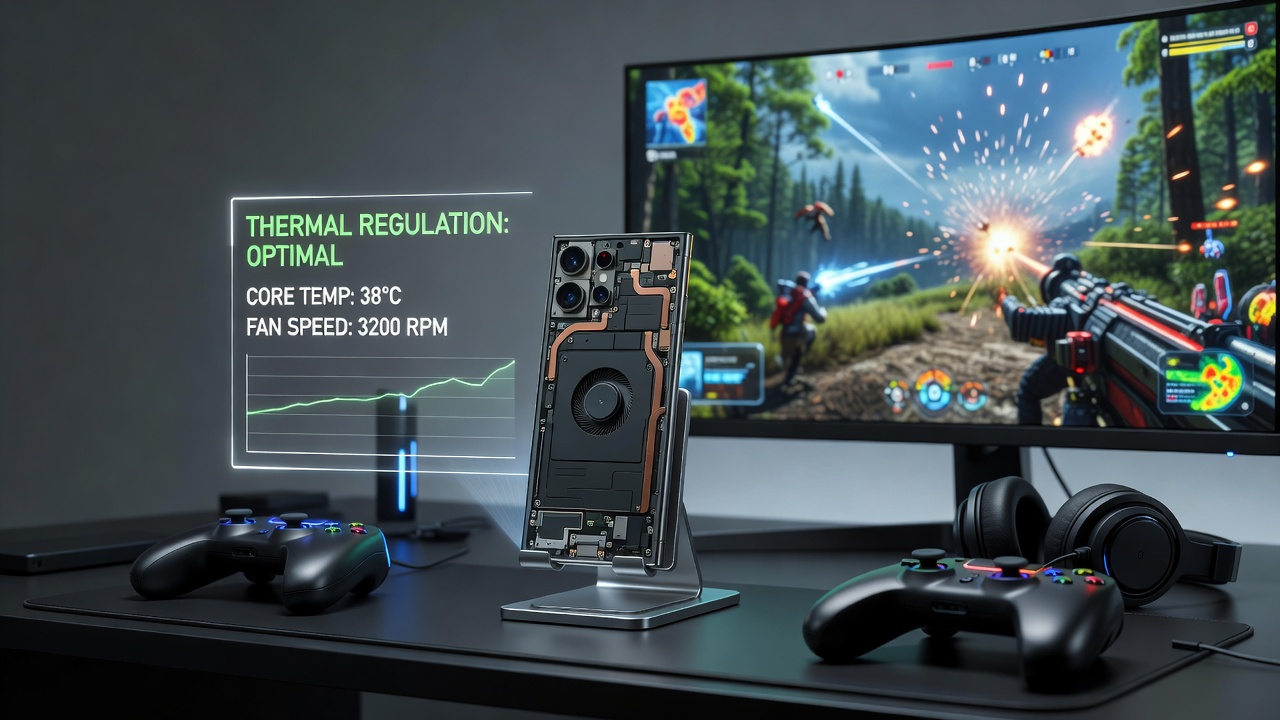
Comparative analyses from testing laboratories show that handsets equipped with larger vapor chambers sustain higher sustained loads before throttling engages, whereas thinner designs reach critical temperatures sooner during identical gameplay sequences. Players who participate in extended campaigns on flagship units frequently adjust settings such as reduced resolution or limited unit counts to mitigate heat, and these adaptations allow continued engagement without abrupt interruptions.
Industry organizations like GSMA have compiled usage data indicating that thermal-aware optimizations in operating systems help balance power draw with cooling capacity, but the underlying physics of portable electronics still impose constraints on uninterrupted high-intensity sessions. GSMA reports on device efficiency highlight regional variations in hardware implementations that influence outcomes across different markets.
Advancements and Data from Late 2026
By November 2026 chipmakers had integrated machine learning predictors into thermal firmware, enabling proactive adjustments before temperatures spike, and early deployments in select flagships demonstrated extended stable performance windows during strategy gameplay benchmarks. University-led investigations in Canada and Australia have quantified how these predictive models reduce throttling events by analyzing workload patterns in advance, while maintaining overall device longevity.
Portable strategy titles continue to evolve with denser maps and more sophisticated simulations, which in turn place greater demands on thermal headroom available in current smartphone architectures. Evidence suggests that future iterations will incorporate phase-change materials with higher capacity, potentially shifting the balance toward longer continuous play without external accessories.
Conclusion
Thermal regulation in flagship handsets determines the practical duration of demanding strategy sessions on mobile platforms through a combination of hardware dissipation techniques and software interventions. Data collected across multiple testing cycles confirms that effective cooling extends usable performance periods, whereas limitations in heat management lead to predictable reductions in frame consistency and processing speed. As device designs progress, ongoing refinements in these systems will continue to shape how players experience resource-intensive games in portable formats.