Community Localization Pipelines Powering Dynamic Cultural Adaptation in Mobile Strategy Games
Written by Katja Powell · Oct 8, 2026
Community Localization Pipelines Powering Dynamic Cultural Adaptation in Mobile Strategy Games
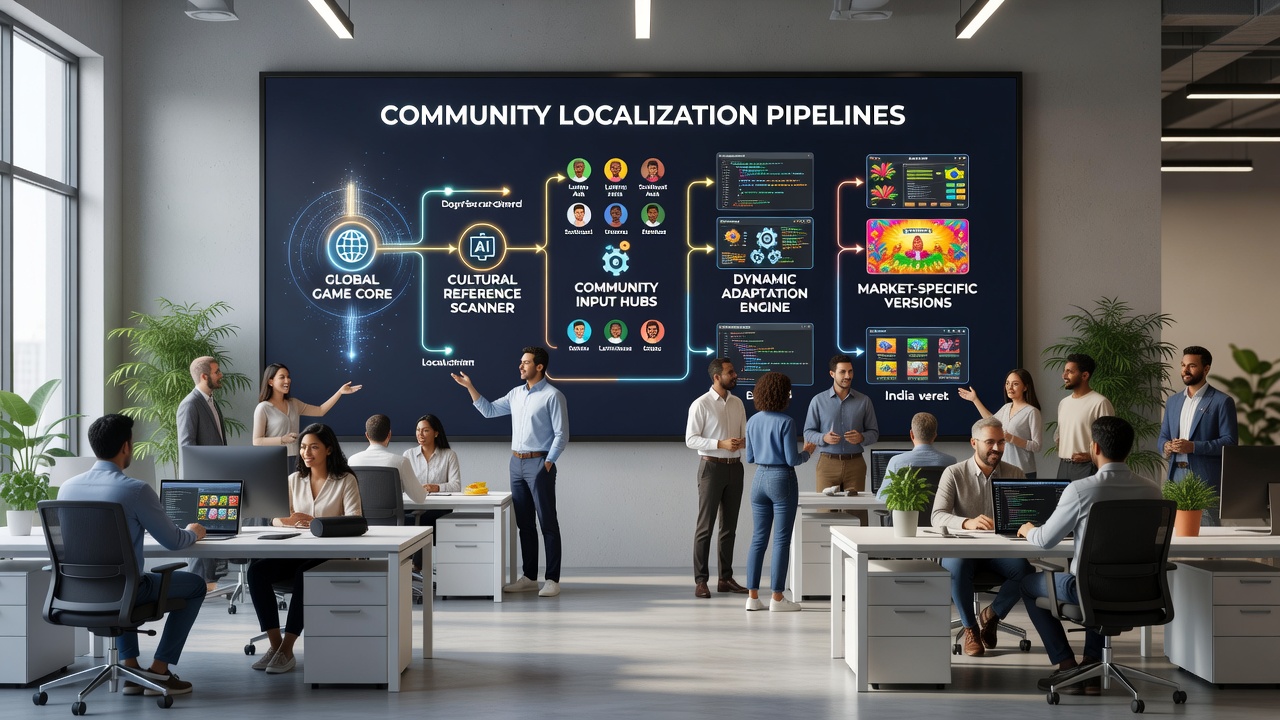
Community localization pipelines have become central to how mobile strategy titles adjust cultural references for players in emerging markets, and data from industry tracking shows steady growth in these approaches through 2026. These systems combine player input from specific regions with structured workflows that allow games to swap references such as festivals, historical events, or everyday idioms in real time without full game rebuilds.
How Pipelines Integrate Community Feedback
Developers set up pipelines where regional player communities submit suggestions through in-app tools or dedicated forums, then moderation layers review submissions for accuracy and cultural fit before pushing updates to servers. In practice this means a strategy game set in a fictional empire can replace a European harvest festival reference with a Diwali-inspired event for Indian players or incorporate Carnival elements for Brazilian audiences, and the changes appear within days rather than months. Research indicates that titles using these methods see higher retention rates in markets like Southeast Asia and Latin America compared to those relying solely on static translations.
Dynamic Reference Swapping in Strategy Mechanics
Strategy games often center on resource management, alliances, and historical nods, which creates opportunities for cultural tailoring. Observers note that pipelines allow references to shift based on user location data and language settings, so a unit description mentioning a Western legend might become a local folk hero in targeted regions. As of October 2026, several mid-sized studios have reported integrating these systems into live operations, enabling weekly tweaks that align gameplay events with regional calendars such as harvest seasons in Africa or national holidays in South Asia. The process relies on versioned asset databases that store multiple cultural variants and serve the appropriate one through edge servers close to player clusters.
Role of Emerging Markets in Pipeline Development
Emerging markets drive much of the innovation here because player bases in countries such as Indonesia, Nigeria, and Mexico often demand faster adaptation than traditional localization teams can provide. Figures from mobile analytics platforms reveal that strategy titles with active community pipelines gained measurable engagement lifts during major local events in 2025 and early 2026. These pipelines typically involve tiered contributor levels where trusted players earn moderation rights after consistent accurate submissions, which reduces central team workload while maintaining quality. One case study from a developer operating across multiple African markets showed that community-sourced references for marketplace mechanics improved player comprehension scores in post-update surveys.
Technical Components Supporting Real-Time Changes
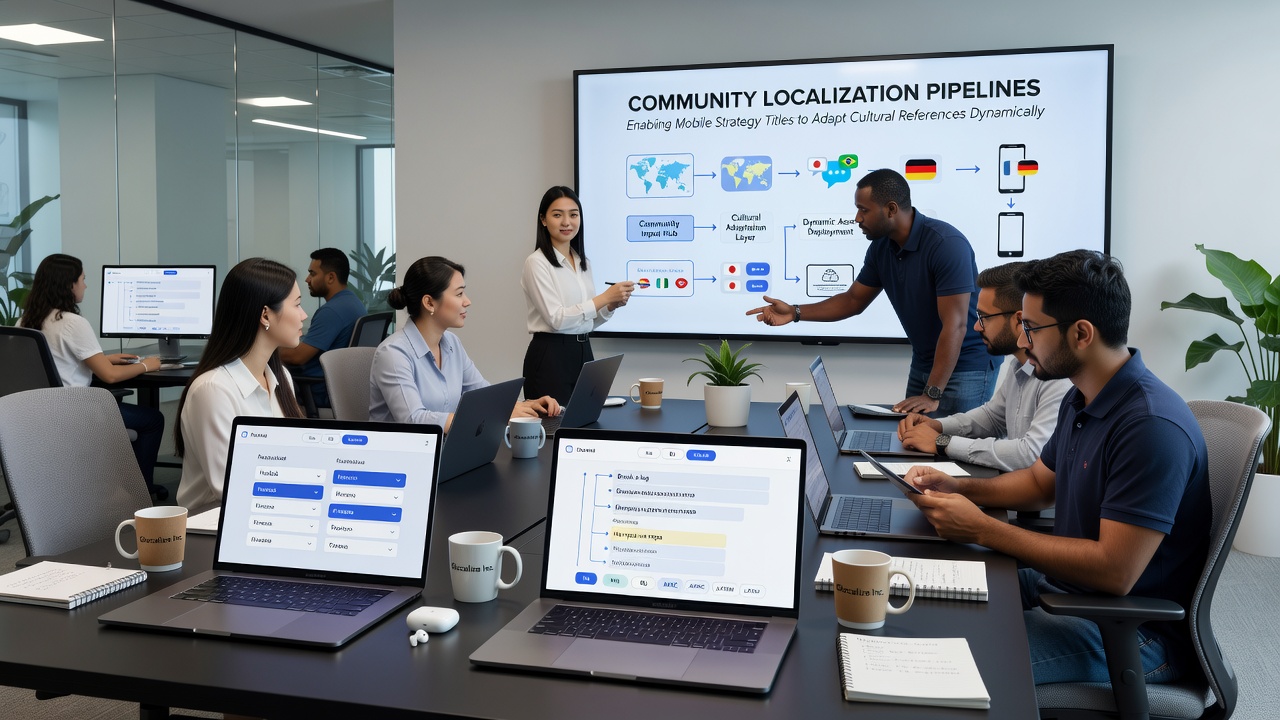
The underlying infrastructure combines cloud-based content delivery networks with lightweight client-side checks that detect player region and pull matching reference sets. Game engines used in mobile strategy titles now include modular localization hooks that let designers flag text or visual elements for dynamic replacement, and community submissions feed into these hooks after automated consistency checks. According to a GSMA mobile economy report, regions with high smartphone penetration have seen accelerated adoption of such flexible systems because players expect content that reflects local contexts rather than generic global versions. This setup also supports A/B testing of different cultural variants within the same market segment to measure which references drive longer session times.
Challenges Addressed Through Structured Workflows
Accuracy remains a key concern, and pipelines counter it with multi-stage review cycles that include native speakers from different sub-regions plus automated flagging for sensitive topics. Language drift can occur when community input introduces slang too narrow for broader audiences, yet developers mitigate this through style guides updated quarterly based on aggregated feedback. Data from academic studies on digital content adaptation shows that games employing hybrid human-AI review in their pipelines achieve faster turnaround without sacrificing relevance, particularly when handling references tied to political history or religious practices that vary sharply across borders. The result is a system that scales across dozens of markets while keeping core gameplay loops intact.
Future Directions and Industry Patterns
Patterns emerging in late 2026 point toward tighter integration between community pipelines and live event systems, allowing strategy titles to time cultural reference swaps with real-world occurrences such as regional sports tournaments or seasonal migrations. Trade group analyses from organizations tracking digital entertainment in Asia and Latin America indicate continued investment in contributor reward programs that incentivize high-quality submissions through in-game currency or recognition features. These developments build on earlier translation memory tools but extend them into fully dynamic layers that treat cultural adaptation as an ongoing service rather than a one-time release task.
Conclusion
Community localization pipelines continue to reshape how mobile strategy titles reach diverse audiences by enabling precise, timely adjustments to cultural references across emerging markets. The combination of player-driven input, modular asset systems, and regional testing has produced measurable improvements in engagement metrics while reducing the resource burden on central development teams. As these workflows mature, they support broader accessibility without altering the strategic core that defines the genre.